Sustainability · Updated 30 September 2026 · Fiona Freeman
Sustainability: The Power of Positive Messaging
Positive messaging still beats fear at driving action — but 2025 added a new wrinkle: greenhushing. Here's what still works, and what's changed.
Reviewed and brought forward. First published 7 October 2024; the argument has not needed changing.
As David Attenborough wrote on Instagram, "Saving our planet is now a communications challenge. We know what to do, we just need the will."
That line is older now than it was when we first wrote this post, but it's held up. So has the question underneath it: which words actually move people to act?
Hope = action
The research still points the same way. Positive messaging is a more effective trigger for action than fear. As MediaCat Magazine put it, "negative messaging is [...] processed more slowly, which can deter from the call to action and make us react slower. As such, scaremongering can inhibit us from taking the desired action rather than encouraging us to change our behaviour." Brands that lean on feel-good stories and bright visuals tend to land better with readers than ones running on doom.
The greenhushing wrinkle
There's a complication worth naming, because it's genuinely new since we first wrote this. Through 2025, plenty of companies didn't stop acting on sustainability — they just stopped talking about it. Trellis reported that 2025 became known as "the year of greenhushing", as political backlash against ESG in the US pushed brands to quietly maintain their climate programmes while going dark on the messaging around them. It's an understandable instinct in a polarised environment, but it's also a communications failure hiding as a compliance strategy: work that isn't communicated doesn't build trust, doesn't influence anyone else's behaviour, and doesn't get credited to the brand that did it.
Positive, honest and specific messaging is still the answer to greenhushing, not louder marketing. Say what you're doing, back it with evidence, and stop treating sustainability communications as a liability to be managed down.
What positive messaging actually looks like
"Positive" doesn't mean vague or self-congratulatory — in fact, the opposite. The examples that work hardest are specific: they name a real action, a real number or a real outcome, and let the reader do the arithmetic on why it matters, rather than announcing how proud the company is of itself. A few habits we come back to again and again when writing this kind of content:
- Lead with the outcome, not the initiative. "We cut packaging waste by a third" lands harder than "we launched a new packaging sustainability programme".
- Use active, concrete verbs. Readers respond to things that happened, not things that were "explored" or "considered".
- Show the work, briefly. A sentence on how a result was achieved builds more trust than a paragraph asserting the company cares.
- Keep the tone human. The most memorable sustainability campaigns we've seen — cheeky, warm, occasionally self-deprecating — read like they were written by a person, not a committee.
- Say it consistently, not just once a year. A single glossy report does less for trust than smaller, regular updates that show progress is ongoing.
Who gets this right
The brands that do positive sustainability messaging well tend to share a quality that's easy to spot and hard to fake: they sound like they'd be writing about this even if nobody was watching. A cheeky campaign name, a mascot, a genuinely funny piece of copy — these work not because they're clever for cleverness's sake, but because they signal that sustainability has become part of how the brand thinks, rather than a separate register it switches into once a year for a report. Readers can tell the difference between a brand having fun with a serious subject and a brand performing enthusiasm it doesn't feel, and the gap between the two shows up fastest in the small choices: the caption under a photo, the subject line of an email, the one sentence that either sounds human or sounds like it was assembled from a template.
Examples we love
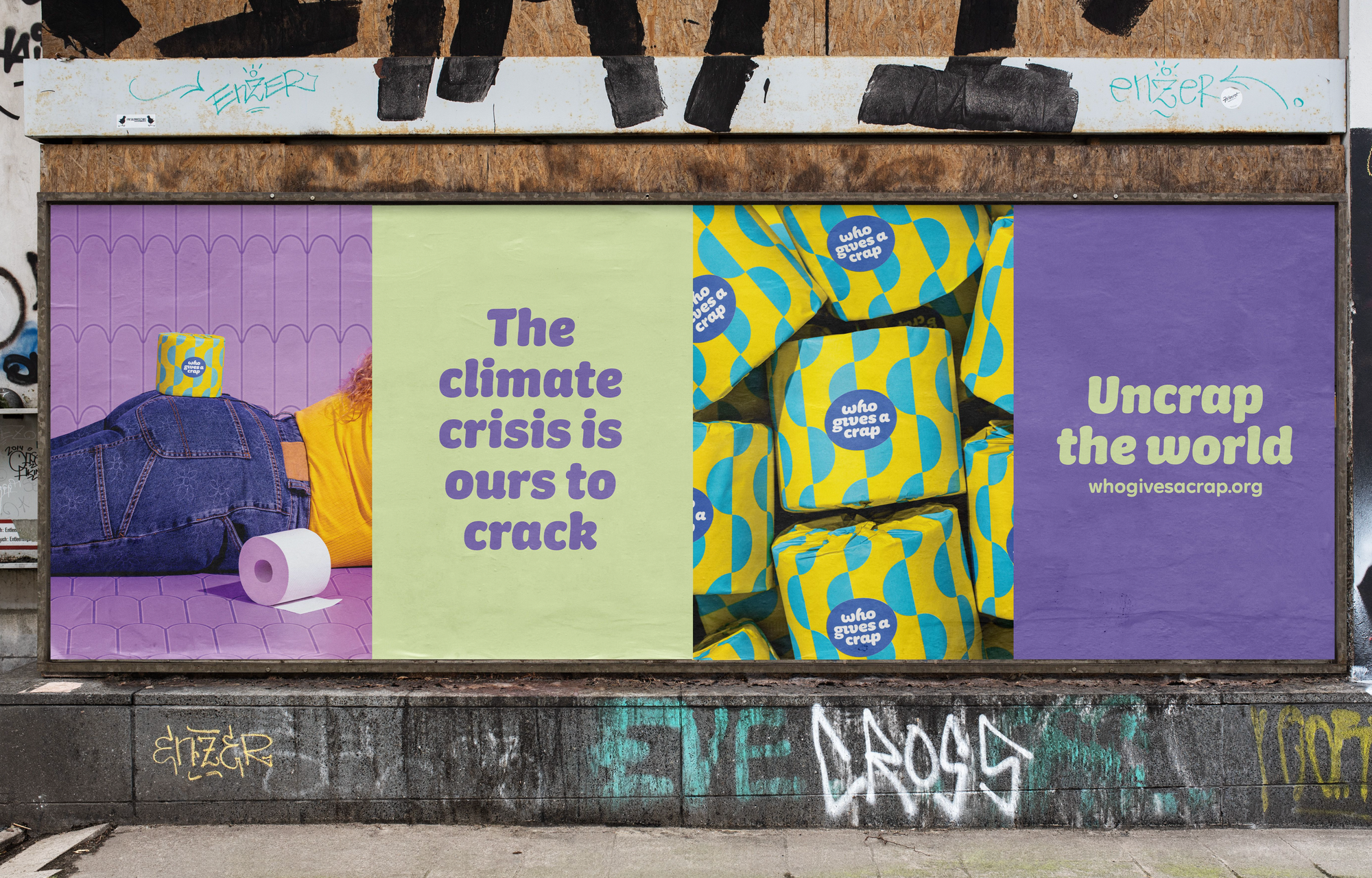
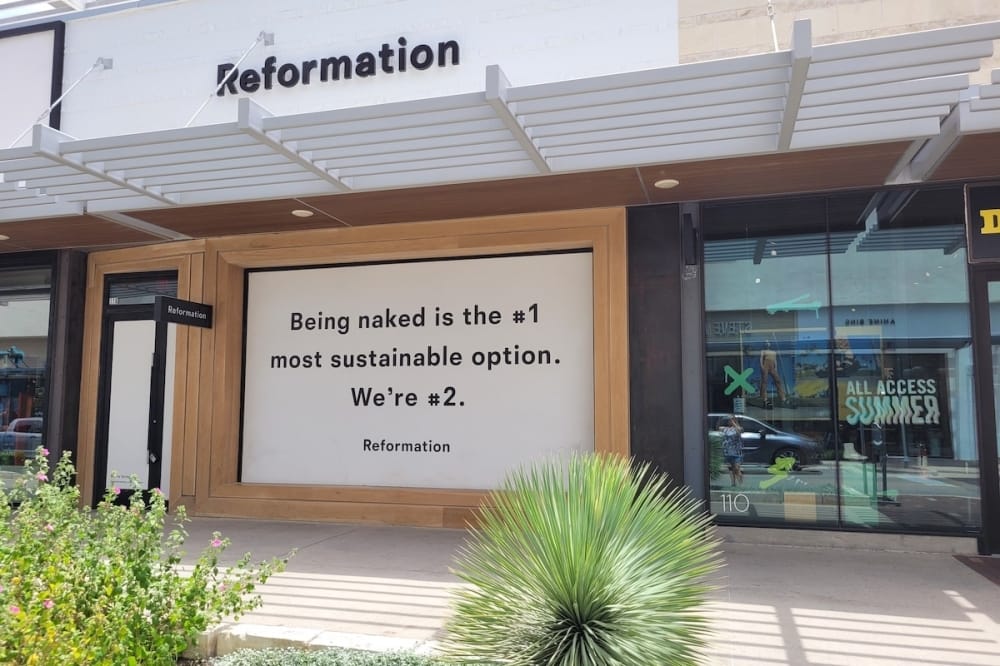
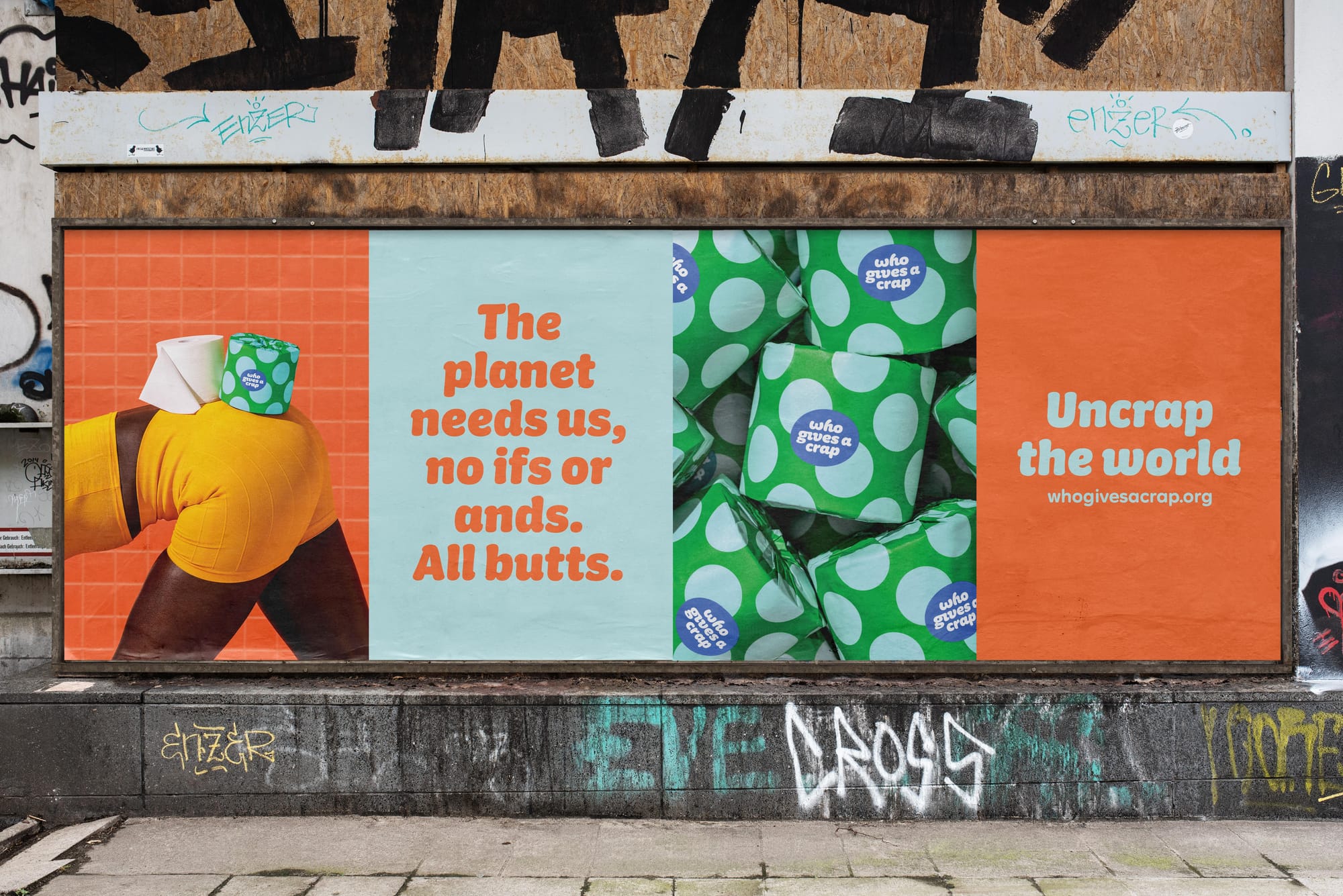
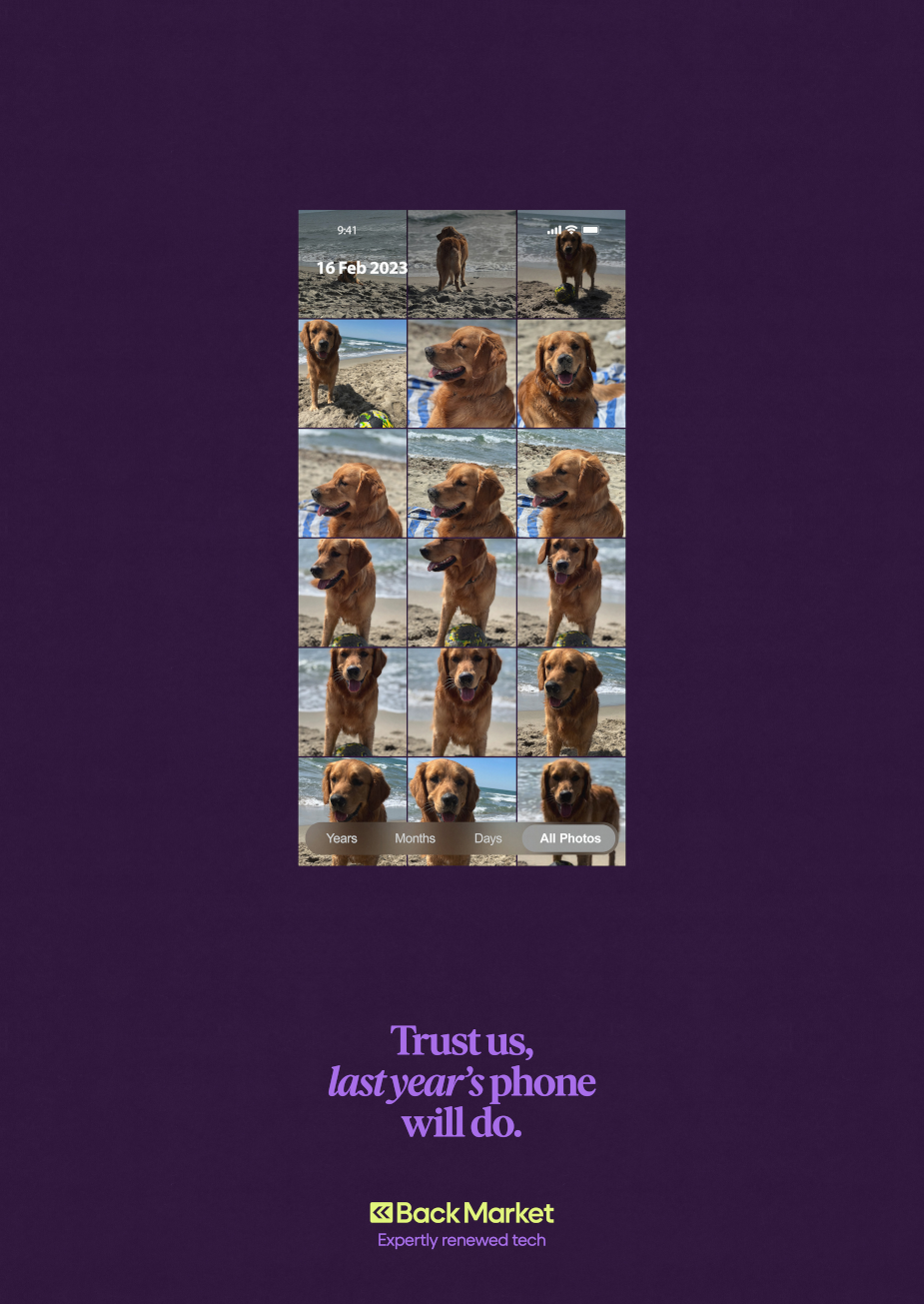
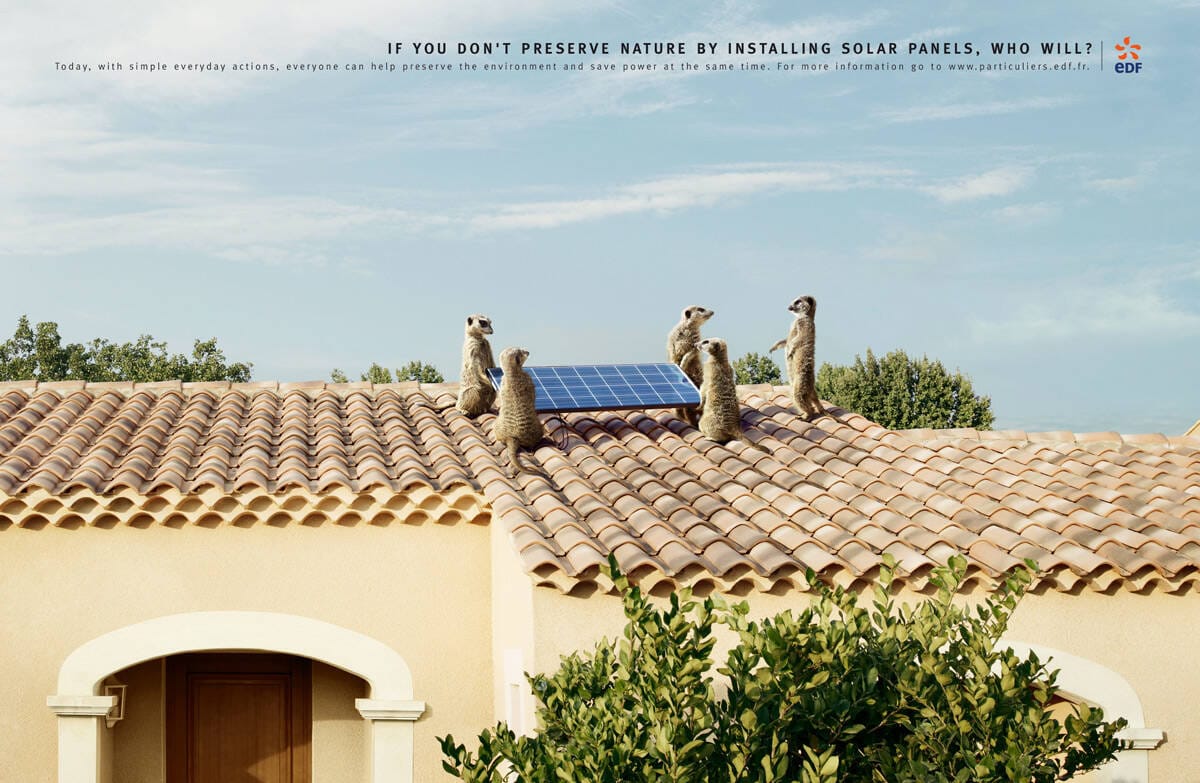
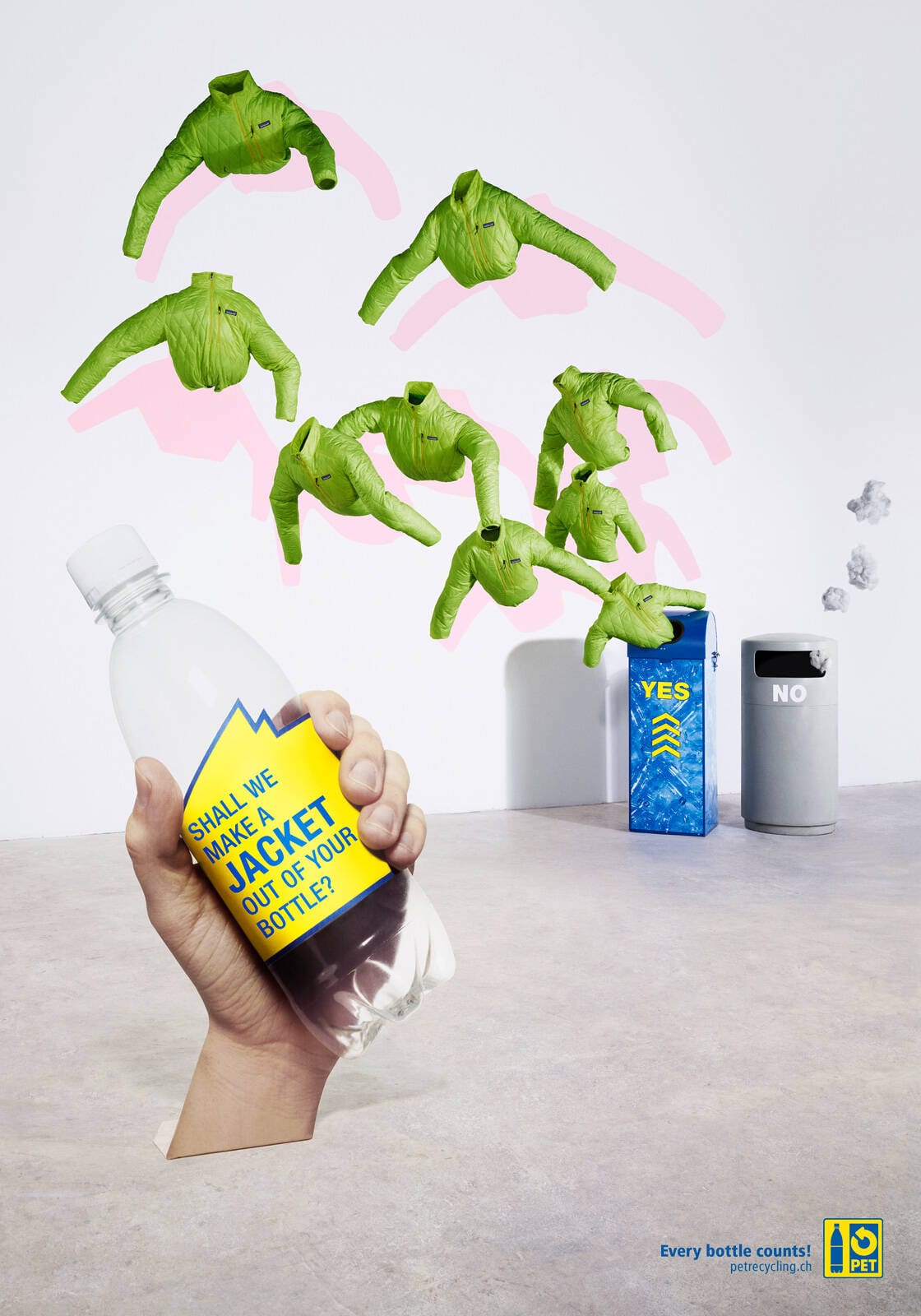
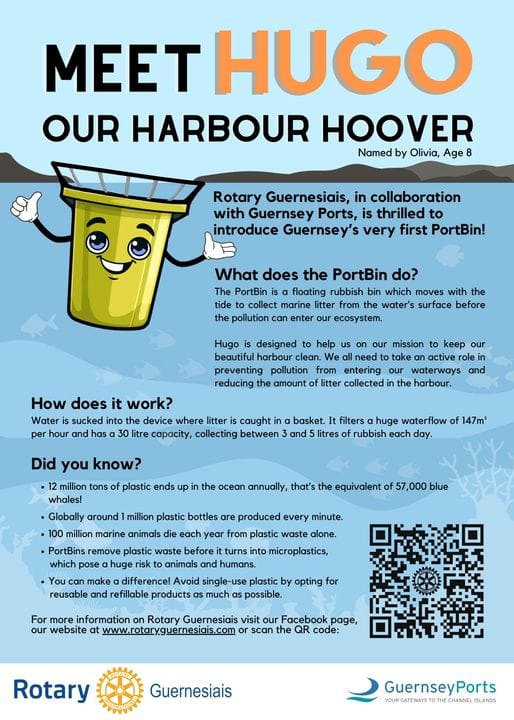
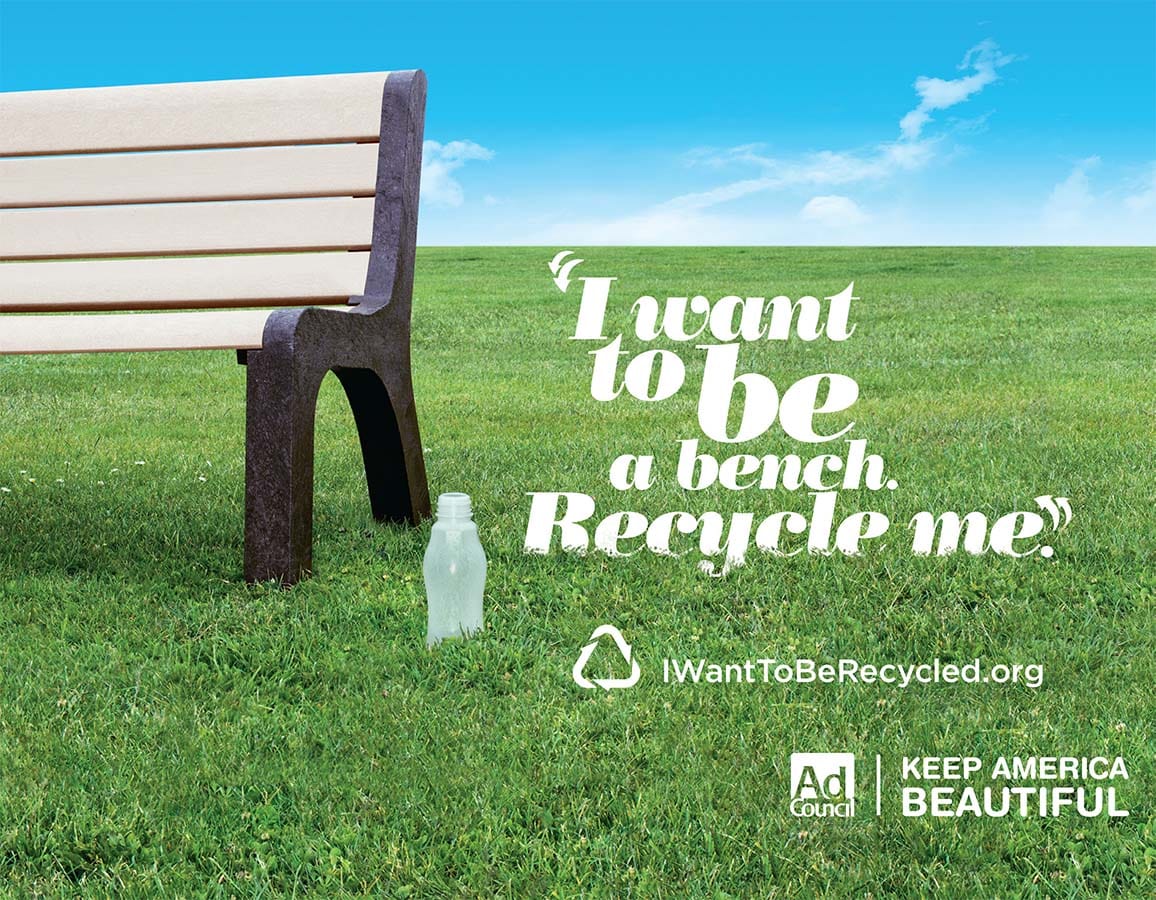
Here's our round-up of some of the most original and inspiring sustainability communications we've spotted — from cheeky word play (Who Gives a Crap) to smiley cartoon characters (Hugo the Harbour Hoover), quirky imagery (EDF) and light-hearted language (Back Market).
"Positive messaging can be a powerful tool to inspire hope and action across all levels." EAUC
A word on tone and trust
None of this means treating a serious subject frivolously. The campaigns that work strike a careful balance: light enough in tone to be shared and enjoyed, serious enough in substance that nobody mistakes the brand for not caring. Get that balance wrong in either direction — too glib, and the subject feels trivialised; too heavy, and the reader disengages before the message lands — and the whole effort backfires. It's a narrower needle to thread than most creative briefs, which is exactly why sustainability communications tend to reward writers who spend real time in the subject rather than treating it as a stylistic exercise bolted onto whatever the last campaign looked like.
Brighten up your writing
Behind every one of these campaigns sits a serious message and an urgent need to protect the environment — something we care about at Bwritr well beyond the marketing brief. We believe in the power of words to change behaviour, not just reflect it. (It's also what inspired our name, pronounced "brighter".)
If you're interested in brightening up your sustainability communications — or working out how to keep talking about your progress without either greenwashing or greenhushing — talk to our team of GRI-certified* writers.
* The GRI Standards are among the most widely used standards for sustainability reporting. They represent global best practice for reporting publicly on a range of economic, environmental and social impacts. Read more on the GRI website.